Nikon D3200 hands on preview
What Digital Camera's First Look video of the Nikon D3200, filmed at the UK Press launch in London on 18th April 2012.
Read our full story on the D3200 at whatdigitalcamera.com
Have A Blog Earn Money Via URL Shortner....
adfoc.us
Showing posts with label Nikon D5100. Show all posts
Showing posts with label Nikon D5100. Show all posts
20 April, 2012
14 April, 2012
Extend Video Recording Limit of Nikon D7000 and More
[Gear] Extend Video Recording Limit of Nikon D7000 and More!

On the D3100, D5100, and D7000, Nikon placed a rather low video recording time limit for a single clip. Currently, it’s somewhere in the area of ten or 20 minutes, depending on the model. However,Nikonhacker.com has come up with a crack that will extend this limit to a much more reasonable 25 to 30 minutes. Read after the jump for more info!
Of course, this is not an official Nikon release, so anything you is at your own risk. But it has been tested to work on all three models (the D3100, D5100, and D7000), so there shouldn’t be too much to worry about. Simeon Pilgrim has a great bit with download links and directions here. Good luck! And tell us in the comments section how it goes for you!
Source: http://fstoppers.com/gear-extend-video-recording-limit-of-nikon-d7000-and-more
Image: Fstoppers


10 April, 2012
Top 10 Professional Cameras (DSLR), Canon, Canon EOS 5D Mark III, Sony Alpha, Nikon D90, Nikon D5100, Nikon, Pentax, DSLR, Professional Cameras, Top 10 Professional Cameras, Canon EOS 50D, Olympus E-30
Top 10 Professional Cameras (DSLR)
Posted by Neo on Dec 25th, 2010 on
Source: Realitypod.com/2010/12/top-10-professional-cameras-dslr/
Tags: Canon, Canon EOS 5D Mark III, Sony Alpha, Nikon D90, Nikon D5100, Nikon, Pentax, DSLR, Professional Cameras, Top 10 Professional Cameras, Canon EOS 50D, Olympus E-30
Posted by Neo on Dec 25th, 2010 on
A digital single-lens reflex camera (digital SLR or DSLR) is a digital camera that uses a mechanical mirror system and pentaprism to direct light from the lens to an optical viewfinder on the back of the camera.
Professional dSLR cameras are fundamental for serious photographers. From top-of-the-line resolution to fully customizable settings, professional dSLRs combine functions and performance to create professional quality photos with every shot.
Professional dSLR cameras are fundamental for serious photographers. From top-of-the-line resolution to fully customizable settings, professional dSLRs combine functions and performance to create professional quality photos with every shot.
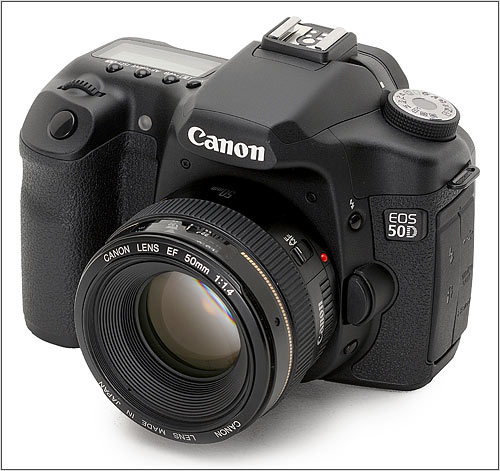
10. Canon EOS 50D
- Resolution 14.6 MP
- Continuous Shooting Speed 6.5 fps
- Battery Life 620 shots
- LCD Screen Size 3 in.
- Warranty 1 year
- Focal Length 18mm – 55 mm
- Max Shutter Speed 1/8000 sec
- Memory CF.
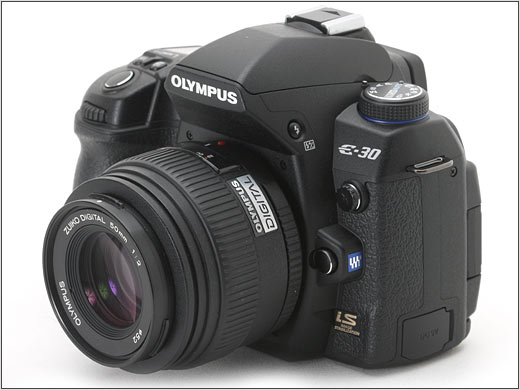
9. Olympus E-30
- New 12MP LiveMOS sensor (E-3: 10.1 MP)
- Brighter and larger LCD screen
- E-30 has a mode dial
- Art Filters, multiple exposures, aspect ratio options and lots of scene modes
- No card door lock, no eyepiece shutter
- Glass fiber reinforced plastic vs weatherproof magnesium alloy body shell
- Slightly (8mm) shorter and around 115g lighter
- Slightly smaller viewfinder with reduced frame coverage
- AF fine tuning for up to 20 lenses (and per AF point!)
- Built-in digital level guage
- Contrast detect (Imager) AF with face detection
- Slightly reduced raw buffer size (12 frames)
- Adds vertical panning mode to stabilizer (IS3
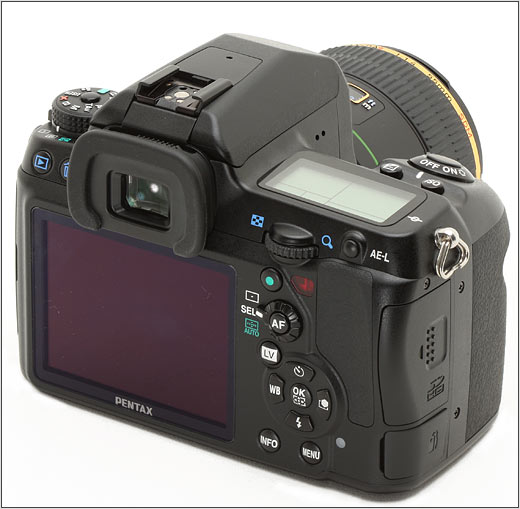
8. Pentax K-7
- 14.6 MP
- 720p/1536 x 1024 HD video recording
- Smaller magnesium/steel alloy body
- Revised viewfinder (less magnified but with greater coverage)
- Updated sensor with four-channel readout
- 3.0″ VGA (920,000 dot) LCD
- New shutter mechanism with 1/8000th shutter speed
- Faster continuous shooting (up to 5.2 fps)
- 77 segment exposure metering sensor
- Revised autofocus algorithms
- AF illumination lamp
- New dust removal system
- HDMI output
- New dedicated ISO button
- Distortion and chromatic aberration correction for DA and DFA lenses (also available in RAW conversion using supplied software)
- Adjustable dynamic range highlight and shadow correction
- Three-shot in-camera HDR capture
- Electronic level indicator
- Composition adjustment (Uses the SR system to reposition the sensor to fine-tune composition)
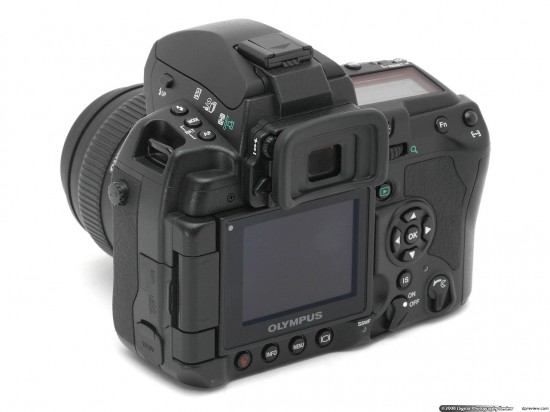
7. Olympus E-3
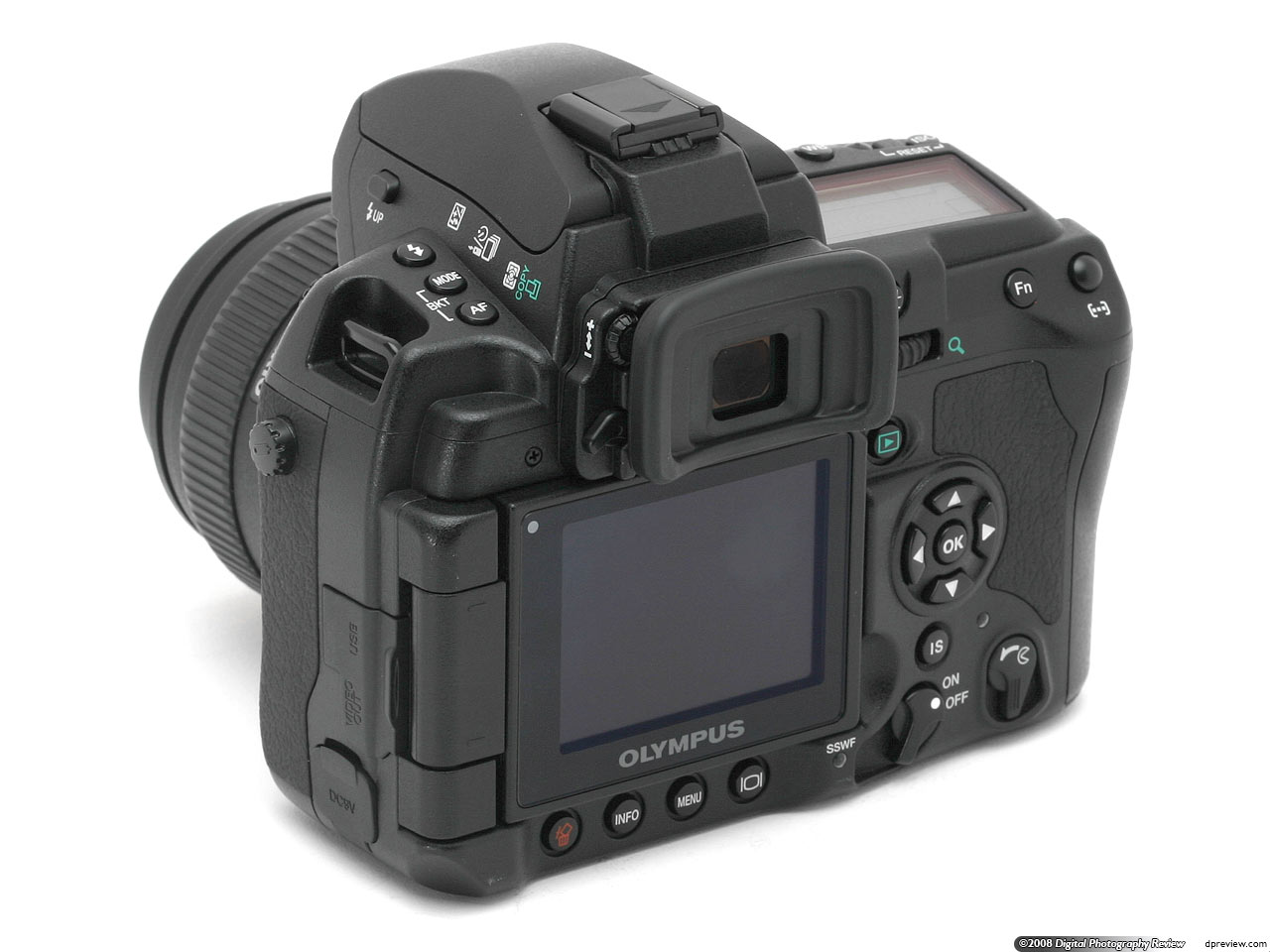
- New sensor (10MP Live MOS vs 5MP CCD) and latest TruPic III processor
- Live view
- Sensor-shift image stabilization
- All-new autofocus system (11-point AF, claimed to be world’s fastest with certain zoom lenses)
- Faster continuous shooting, bigger buffer
- Higher top shutter speed (1/8000 sec) and higher flash sync speed (1/250 sec)
- Improved viewfinder (bigger, brighter)
- Bigger, higher resolution vari angle screen
- Masses more customization options
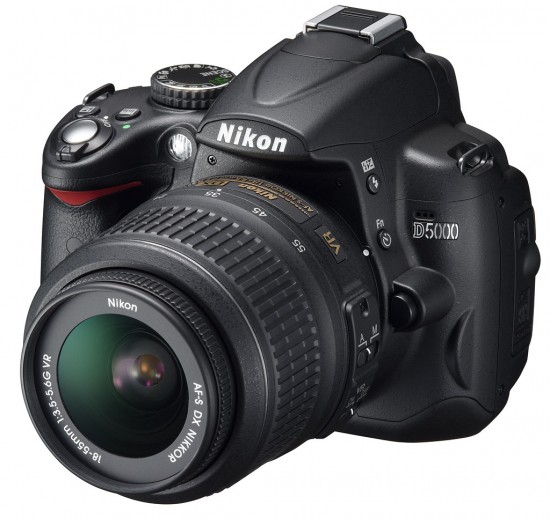
6. Nikon D5000
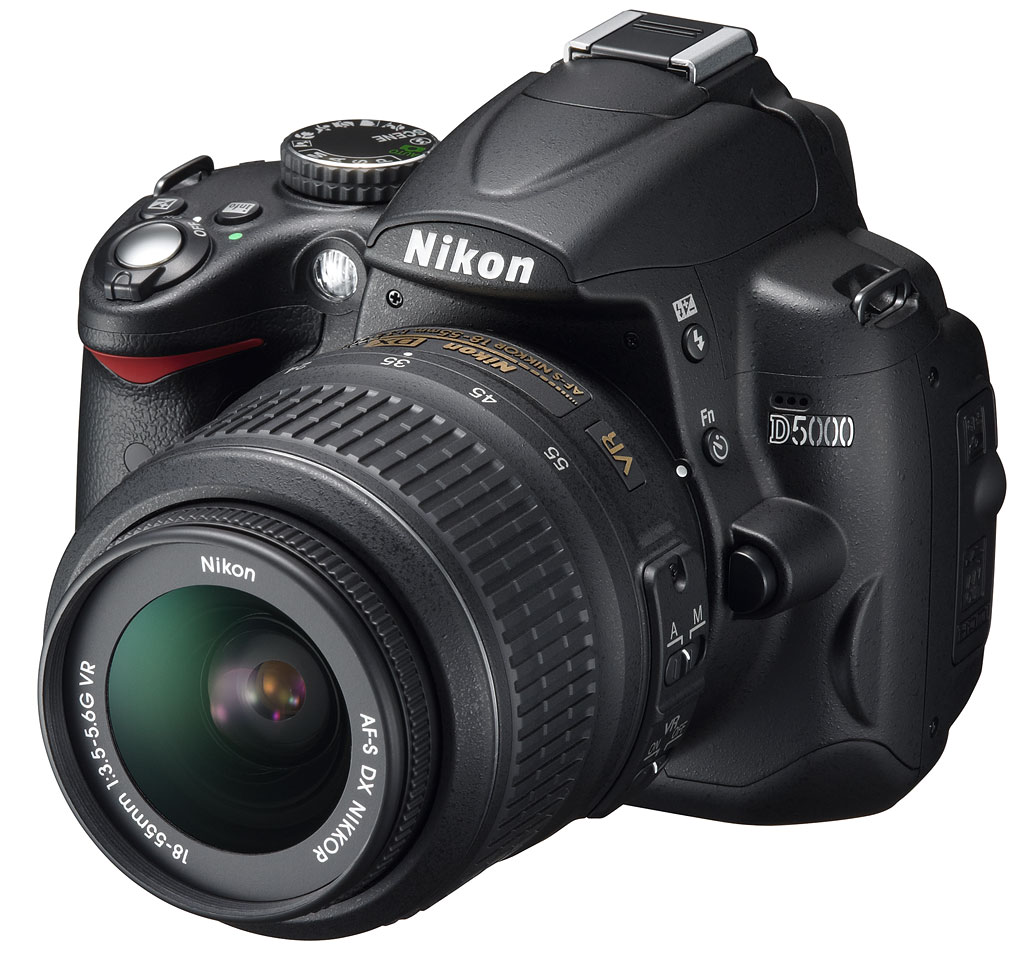
- 12.9 megapixel DX-format CMOS sensor (effective pixels: 12.3 million)
- 2.7″ tilt and swivel LCD monitor (230,000 dots)
- Movie capture at up to 1280 x 720 (720p) 24 fps with mono sound
- Live View with contrast-detect AF, face detection and subject tracking
- Image sensor cleaning (sensor shake)
- 11 AF points (with 3D tracking)
- IS0 200-3200 range (100-6400 expanded)
- 4 frames per second continuous shooting (buffer: 7 RAW, 25 JPEG fine, 100 JPEG Normal)
- Expeed image processing engine
- Extensive in-camera retouching including raw development and straightening
- Connector for optional GPS unit (fits on hot shoe)
- New battery with increased capacity
- 72 thumbnail and calendar view in playback
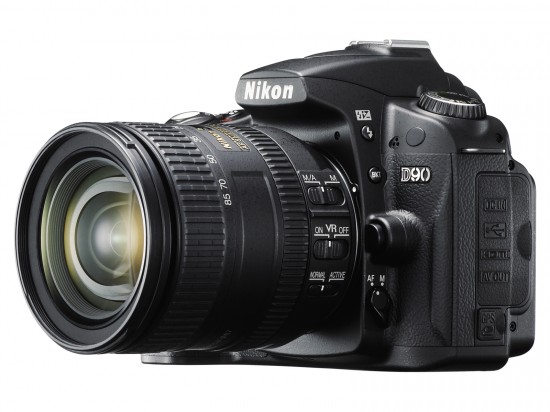
5. Nikon D90
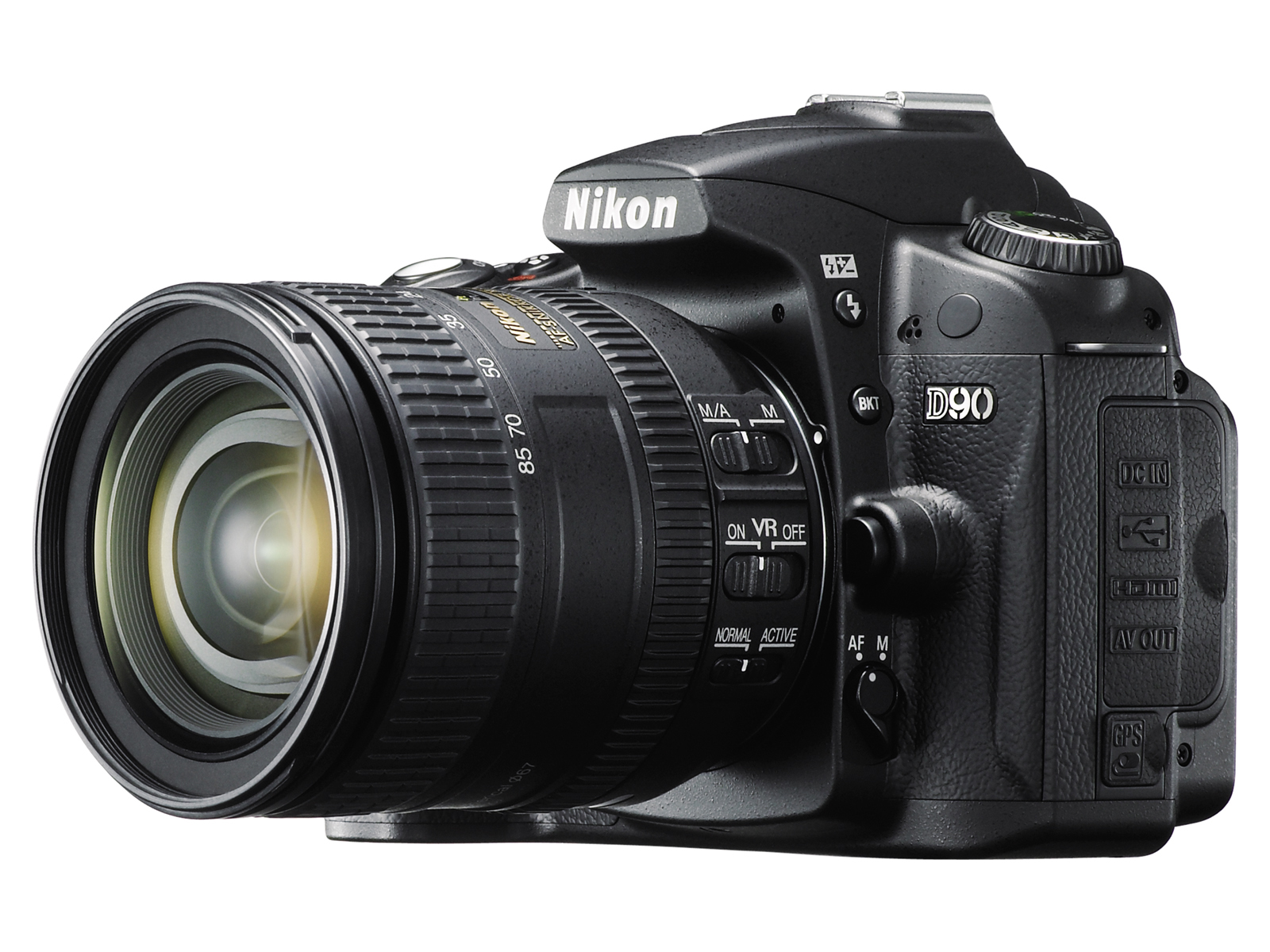
- 12.9 megapixel DX-format CMOS sensor (effective pixels: 12.3 million)
- 3.0-inch 920,000 pixel (VGA x 3 colors) TFT-LCD (same as D3 and D300)
- Live View with contrast-detect AF, face detection
- Image sensor cleaning (sensor shake)
- Illuminated focus points
- Movie capture at up to 1280 x 720 (720p) 24 fps with mono sound
- IS0 200-3200 range (100-6400 expanded)
- 4.5 frames per second continuous shooting (buffer: 7 RAW, 25 JPEG fine, 100 JPEG Normal)
- Expeed image processing engine
- 3D tracking AF (11 point)
- Short startup time, viewfinder blackout and shutter lag
- Slightly improved viewfinder (96% frame coverage)
- Extensive in-camera retouching including raw development and straightening
- Improved user interface
- New optional compact GPS unit (fits on hot shoe)
- Same battery and vertical grip as D80
- Vignetting control in-camera
- 72 thumbnail and calendar view in playback
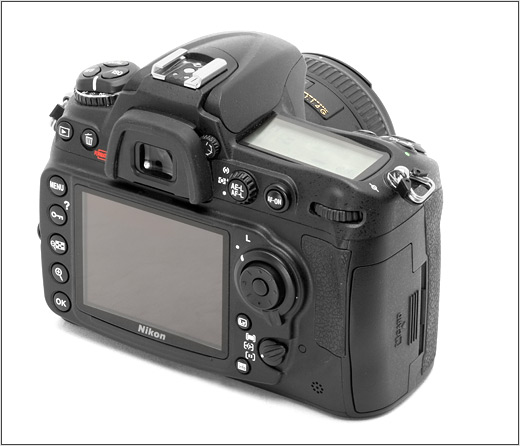
4. Nikon D300S
- 13.1 megapixel DX-format CMOS sensor (effective pixels: 12.3 million)
- 720p HD video
- 3.0″ LCD monitor (920,000 dots)
- Image sensor cleaning (sensor shake)
- 51 AF points (with 3D tracking)
- IS0 200-3200 range (6400 expanded)
- 7 frames per second continuous shooting (buffer: 17 RAW, 44 JPEG fine, 100 JPEG Normal)
- Expeed image processing
- Picture Controls – image parameters consistent with all current Nikon DSLRs
- Same EN-EL3e battery as D300
- 72 thumbnail view in playback
- 14-bit A/D conversion
- Super fast operation (power-up 13 ms, shutter lag 45 ms, black-out 100 ms)
- Shutter life 150,000 exposures
- Multi-CAM3500DX Auto Focus sensor (51-point, 15 cross-type, more vertical coverage)
- Auto-focus tracking by color (using information from 1005-pixel AE sensor)
- Auto-focus calibration (fine-tuning) now available (fixed body or up to 20 separate lens settings)
- Scene Recognition System (uses AE sensor, AF sensor)
- Picture Control image parameter presets (replace Color Modes I, II and III)
- Custom image parameters now support brightness as well as contrast
- Compact Flash UDMA support
- Live View with either phase detect (mirror up/down) or contrast detect Auto Focus
- HDMI HD video output
- ‘Active D-Lighting’ (adjusts metering as well as applying D-Lighting curve)
- Detailed ‘Control Panel’ type display on LCD monitor, changes color in darkness
- New MB-D10 vertical grip fully integrates into body, multi battery type compatible
- Buttons sealed against moisture
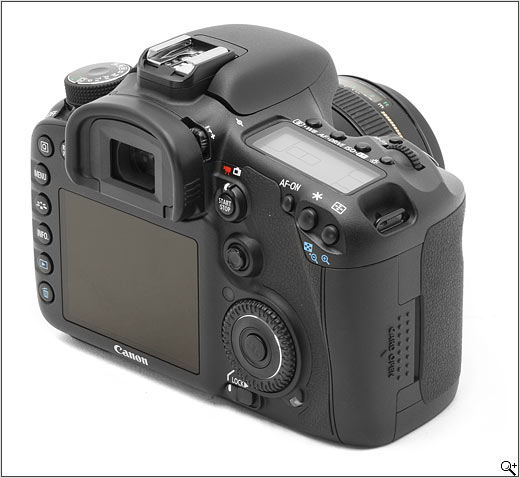
3. Canon EOS 7D
- 18MP APS-C CMOS sensor
- 8 frames per second continuous shooting
- 1080p HD video recording with manual controls
- 3.0 inch Clear View II LCD screen with 920,000 dots
- 19-point AF system (all cross-type)
- 1.0x magnification and 100% coverage viewfinder
- Wireless flash control
- Environmental sealing
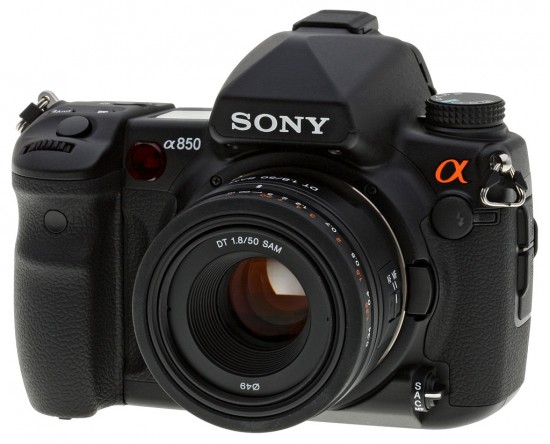
2. Sony Alpha a850
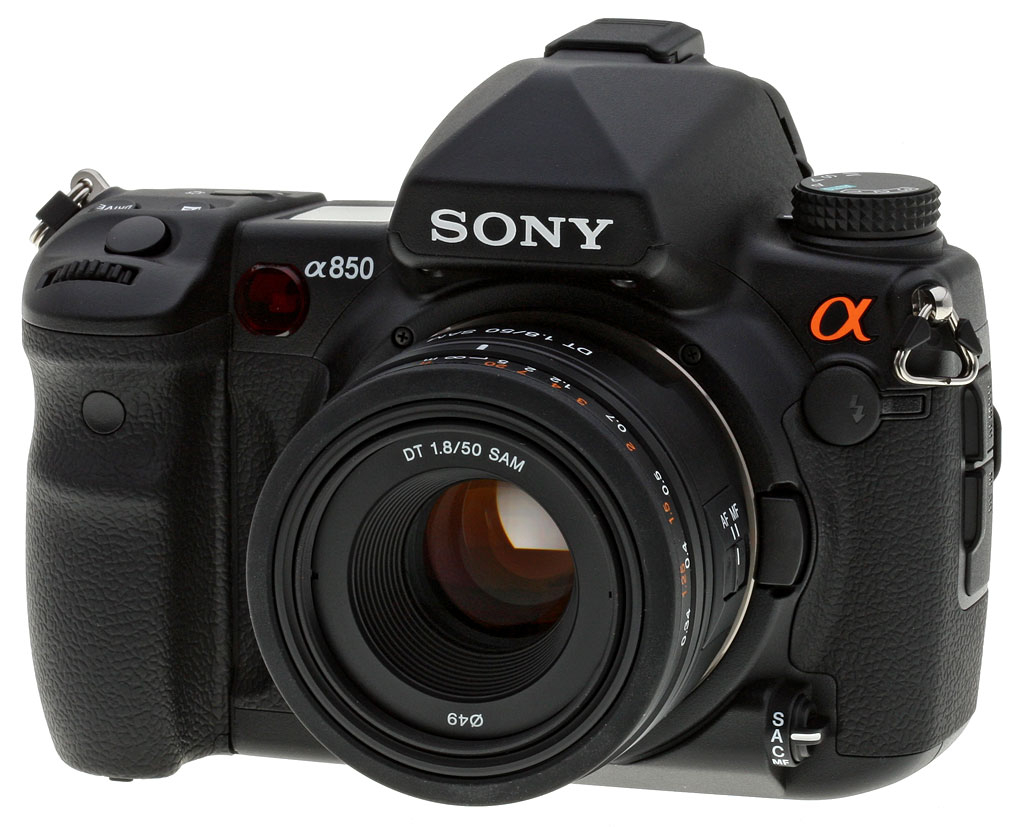
- 24.6 MP 35mm format full-frame CMOS sensor (still the highest res in class)
- SteadyShot INSIDE full frame image sensor shift stabilization (world first)
- Dual Bionz processors
- Eye-level glass Penta-prism OVF, 98% coverage, 0.74x magnification
- 9 point AF with 10 assist points, center dual-cross AF w/2.8 sensor
- 3 frames per second burst
- 3 User programmable custom memory modes on mode dial
- Advanced Dynamic Range Optimizer (5 step selectable)
- 40 segment honeycomb metering
- 3.0″ 921K pixel Photo Quality (270 dpi) LCD display, 100% coverage
- Direct HDMI output
- ISO 200-3200 (ISO 100-6400 expanded range)
- User interchangeable focusing screens (3 options)
- CF Type I/II and MS slots, LI-ION battery, STAMINA 880 shots
- Weight 850g (without battery, card, accs)
- Optional vertical Grip
- Magnesium Alloy body and rubber seals for dust and moisture resistance
- AF micro adjustment
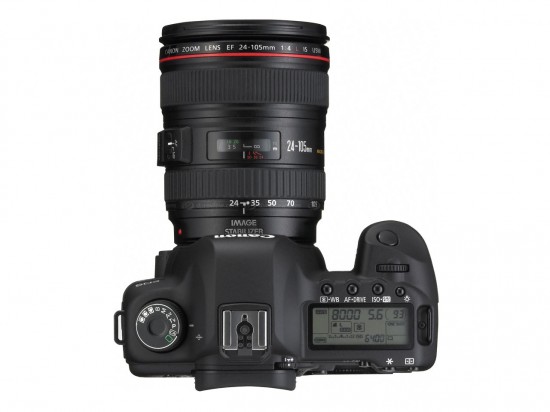
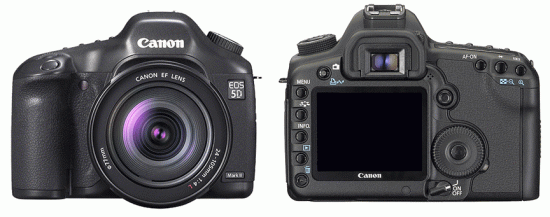
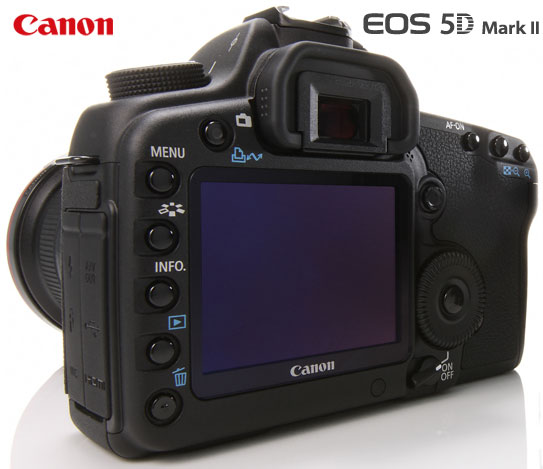
1. Canon EOS 5D Mark II

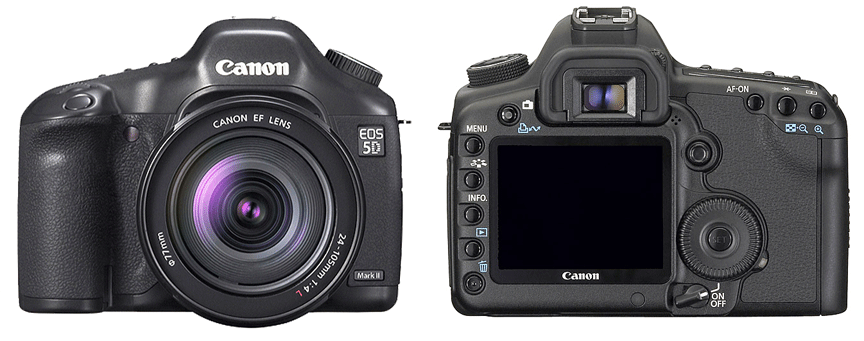
- New 21.1 Megapixel CMOS sensor with improved EOS Integrated Cleaning System (E.I.C.S.)
- New Full HD 1080 resolution movie recording
- 3.9 frames per second continuous shooting
- High performance DIGIC 4 providing superb image quality
- Maximum 310 large JPEG images in a single burst with a UDMA card
- 3.0” VGA (920k dots) Clear View LCD
- ISO 100-6400 (expansion from 50 up to 25,600)
- 9 AF points + 6 Assist AF points
Source: Realitypod.com/2010/12/top-10-professional-cameras-dslr/
Tags: Canon, Canon EOS 5D Mark III, Sony Alpha, Nikon D90, Nikon D5100, Nikon, Pentax, DSLR, Professional Cameras, Top 10 Professional Cameras, Canon EOS 50D, Olympus E-30
01 April, 2012
Nikon D5100 vs Olympus E-P3: Which Camera Is Best For Bloggers? [REVIEW]
Nikon D5100 vs. Olympus E-P3: Which Camera Is Best For Bloggers? [REVIEW]
August 22, 2011 by Charlie White on Mashable
Are you looking for a digital camera that does a better job of taking pictures than your smartphone or point-and-shoot camera? When you’re a blogger looking to step up, it’s probably a good idea to get a digital SLR camera. But maybe there’s another way to approach this.
We selected a new midrange digital SLR, the Nikon D5100, and compared it to the latest “Micro Four Thirds” camera, an Olympus PEN E-P3. Both represent the best of breed, with the Nikon holding court in the lower end of DSLRs, and the Olympus the latest sensation in the Micro Four Thirds camp.
By the way, what is this Four Thirds system, anyway? These new cameras are part of a system developed by Olympus and Kodak, aimed at reduced size but higher quality.
The Olympus camera in our tests uses the Micro Four Thirds format, making it smaller and lighter than the Nikon and nearly as small as a point-and-shoot camera. Its “Micro” designation means it does away with the mirror of a DSLR camera, using just a viewscreen (and no optical viewfinder) to frame your shots. It still has a Four Thirds sensor, larger than point-and shoot cameras, and closer in size to a digital SLR’s sensor (see graphic above). We’re not talking about how many megapixels can be crammed on an image sensor; we’re talking about the size of the image sensor itself, an important factor in low-light performance and overall quality of the resulting pictures.
Both the Nikon D5100 and Olympus E-P3 cameras cost about the same, retailing for around $900. Which one was better for the purposes of an occasional photographer — perhaps a blogger who needs minimum size and maximum quality — who usually shoots in automatic mode? Let’s put these two cameras to the test.
The Nikon D5100 crosses the bridge between point-and-shoot cameras and the behemoths used by the pros. One reason it appealed to us is because of its relatively diminutive size — it’s smaller than most DSLRs. Even so, it’s still bulky and big. It weighs 27.1 ounces, and is 5 inches wide and 6 inches deep with its included 18-to-55mm lens.
Compare that to the Olympus PEN E-P3 that is much lighter, weighing 17.4 ounces. It’s about as wide as the Nikon at 5 inches, but when its 14-42mm lens is collapsed, it’s a mere 1 inch deep, small enough to fit in a medium-sized purse. Its 12.3-megapixel sensor doesn’t have as many pixels as the Nikon’s 16.2 megapixel sensor, and because the Olympus camera’s sensor is about 40 percent smaller than that of the Nikon, its pixels must be packed slightly closer together.
What are the other differences between these two cameras? In our testing, we really liked the adjustable viewscreen of the Nikon. It lets you take self portraits, take low-angled pictures while looking at the viewfinder from above, and gives you a lot more flexibility. The downside of that is you must use Nikon’s Live View technology to use that viewscreen, and it’s a relatively slow process, necessitating an operation it feels like you’re taking two pictures in a row.
On the other hand, while the Olympus camera lacks that adjustable viewscreen (you can get that in a lesser model of the Olympus), it makes up for that with its lightning-fast response while giving you a live view just like a point-and-shoot does. In fact, the viewscreen is the only way you’re going to be able to see the picture you’re about to take on the Olympus E-P3, because there’s no optical viewfinder unless you buy a separate attachment. However, we noticed that even in the brightest sunlight, the E-P3 viewscreen allowed us to see precisely what we were shooting.
Another advantage of the E-P3′s viewscreen is its touchscreen capabilities. The screen is as wonderfully sensitive as a iPhone’s, and it makes picture taking feel like an iPhone, too. Tap on the viewscreen, and the camera will quickly focus, expose and take the picture. Or, you can set it to merely focus and expose that area, and take your shot with the shutter button. While I did feel more confident using the Nikon’s optical viewscreen on a sunny day, in the long run, I preferred the Olympus viewscreen.
Bloggers often need video, and both the cameras can shoot 1080p footage. Take a look at the comparison below, and you’ll notice that both are comparable, but I think the Olympus did a better job of automatically exposing and focusing, and there were fewer strange artifacts in the challenging video test I put the two cameras through. The good news is, both of these cameras are capable of shooting sharp and colorful 1080p video and passable audio. By the way, the odd sound you hear on the Olympus audio is its neckstrap holder clanking against the body of the camera:
What about picture quality? Even though the Nikon has a bigger sensor and packs more megapixels, I noticed very little quality difference between the two cameras. Some of us thought there was better sharpness in the Olympus camera, which we think is due to the higher quality of its lens. Even so, the picture quality of the two cameras was similar in low light conditions and outdoors, and was not different enough to be a dealbreaker either way.
Here’s a gallery that includes pictures we took with both cameras, comparing their quality. After the gallery, continue reading for more.


Our premise for this review is to find the camera that can deliver higher quality photographs than a cellphone camera or point-and-shoot, but will still satisfy those who will be shooting in automatic mode most the time. After extensive testing, the two cameras’ performance was similar, but I think the Olympus E-P3 does a better job of fulfilling that mission. Even if you leave it in automatic mode all the time, it can usually give you a usable shot, regardless of the conditions. Its low-light performance is stellar, its images sharp, and best of all, it’s so much smaller than the Nikon, you’re more likely to take it with you. And that’s what makes it a better camera for bloggers.


Subscribe to:
Posts (Atom)
Ayeza Khan Photoshoot 2020, Ayeza Khan Photos, Ayeza Khan 2020 New
Ayeza Khan Hot Photoshoot Ayeza Khan Hot Photoshoot, Ayeza Khan, Ayeza Khan Photos

-
 Emilie Voe Nereng Her name is Emilie Voe Nereng and she is a sixteen-year-old blonde blogger and upcoming singer from Norway that has cre...
 -
 Ayeza Khan Hot Photoshoot Ayeza Khan Hot Photoshoot, Ayeza Khan, Ayeza Khan Photos
 -
 Equatorial Guinea, Gabon, set for Cup of Nations By Nick Reeves | AFP News – 36 minutes ago For lovers of the beautiful game focus over the...